Military shipbuilding and the construction of research vessels are among the most demanding sectors of the German maritime industry – and neither would be conceivable without civilian specialists. If you are a shipyard, a supplier or an HR manager and would like to know what roles civilian specialists play in the commissioning and handover of naval and research vessels, this article will provide you with an overview. You will also learn how to meet this demand for specialised, often security-critical personnel via Temporary staffing and Temporary agency work under the Temporary Agency Work Act (AÜG) cover in a legally compliant manner.
Table of contents
- Why are civilian specialists indispensable in military shipbuilding and handover?
- Where do the civilian specialists come from, and which phases do they support?
- What are the duties of electronics technicians specialising in marine and industrial engineering?
- What do mechanics and marine engineers check during test runs of naval vessels?
- How do fabrication fitters and welders ensure the structural integrity of military vessels?
- What are the duties of pipeworkers and plant mechanics on board naval vessels?
- How do shipyard and commissioning engineers work whilst subject to confidentiality requirements?
- What role do electronics technicians specialising in energy and building services play?
- How does the handover and induction of military personnel take place?
- How does their deployment differ on the Navy’s research and survey vessels?
- Who are the civilian specialists – and how does the temporary employment sector meet this demand?
- Conclusion
- How does Zeitarbeit International support shipyards in the military and scientific shipbuilding sectors?
- FAQ
- Are civilian specialists on board naval vessels considered soldiers?
- What roles do civilian specialists play during the handover of a naval vessel?
- Why is there a particular need for secrecy in these operations?
- How long do civilian specialists stay on board?
- Do the rules for deployment on the Navy’s research vessels apply in a similar way to those for combat vessels?
- Why is temporary work suitable for roles in military shipbuilding?
- Are candidates for security-related roles subject to special screening?
- How quickly can Zeitarbeit International place skilled workers for a shipyard project in this sector?
- Useful information
Estimated reading time: 10 minutes
Why are civilian specialists indispensable in military shipbuilding and handover?
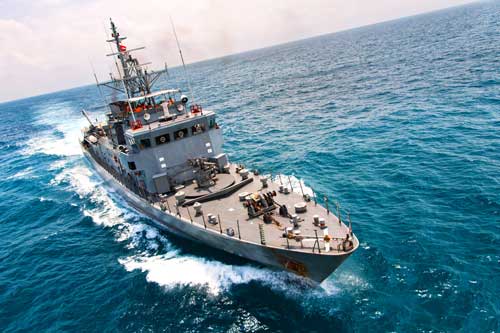
Military shipbuilding and the construction of research vessels are both an integral part of the maritime industry in Germany. Numerous civilian specialists at the shipyards are involved in the construction of these vessels, planning and implementing these projects and handing them over to the clients.
A large number of civilian staff are employed at the shipyards during construction. This is no secret and is obvious to everyone. However, when it comes to the commissioning and handover of the ships, not everyone on board is a soldier. Instead, many civilian specialists are involved in this crucial phase. Many of them remain on board during the trial and handover phase, helping to ensure the ships are ready for service.
Where do the civilian specialists come from, and which phases do they support?
The civilian specialists usually come directly from the shipyards and partner companies in the maritime industry. They support the vessel during commissioning, acceptance and sea trials.
For shipyards and suppliers, this means that staffing requirements are heavily concentrated in specific, clearly defined project phases. This is precisely where the targeted, project-based deployment of skilled workers through temporary employment makes sense, rather than maintaining all the required roles on a permanent basis within the core workforce.
What are the duties of electronics technicians specialising in marine and industrial engineering?
Electronics technicians specialising in marine or industrial engineering install the complex electrical systems on board. They check the systems and then commission them.
Their typical duties include the installation and testing of navigation systems, communication systems and control and monitoring equipment. These specialists ensure that the systems operate safely and check that the specified performance parameters and redundancies are in place.
What do mechanics and marine engineers check during test runs of naval vessels?
As shipyard staff on board, the mechanics and marine engineers carry out sea trials on naval vessels. They inspect the engine systems, pumps, propulsion systems and generators. It is important to ensure that the main propulsion systems work in tandem with the auxiliary units and the power distribution systems. This enables the ships to navigate and manoeuvre safely at sea later on. At the same time, the on-board power supply remains guaranteed.
How do fabrication fitters and welders ensure the structural integrity of military vessels?
Structural fitters and welders assist in testing the structural integrity of the ship’s hull and carry out the necessary work on the components and welded joints. To this end, they carry out quality checks on the load-bearing structures and welded joints. They also check whether naval vessels can withstand the specific stresses they are subjected to. These stresses may arise, for example, from high speeds, heavy seas and the demands of the military mission profile.
In addition, there are forces that are transmitted to the ship’s structure during the operation of certain weapon systems. The ship’s structure must therefore comply not only with the applicable shipbuilding specifications but also with the requirements of the military mission profile.
What are the duties of pipeworkers and plant mechanics on board naval vessels?
Pipe fitters and plant mechanics inspect and test the complex pipe and ducting systems on board the ships before the Navy takes them over. This includes compressed air ducting, fire protection systems, cooling water supply lines and hydraulic systems.
How do shipyard and commissioning engineers work whilst subject to confidentiality requirements?
The shipyard technicians and commissioning engineers start up the systems and ensure that they operate within the specified parameters. They configure and programme the systems so that they function as intended when in operation.
They draw up the necessary technical documentation for the commissioning and subsequent operation of the systems. Technical documents, system data and individual work steps may be subject to specific confidentiality requirements. Accordingly, they must comply with a number of specific regulations to ensure that the data and information do not fall into the hands of unauthorised persons.
In terms of staff deployment, this means that specialist staff working in this security-sensitive environment must be properly vetted and carefully selected. An experienced recruitment agency is familiar with these specific requirements and takes them into account right from the candidate selection stage.
What role do electronics technicians specialising in energy and building services play?
Electronics technicians specialising in energy and building services engineering check that the power distribution system is functioning reliably and meets operational requirements. They also set up the lighting, air-conditioning and other utility systems on board so that military personnel can use them safely whilst on mission.
How does the handover and induction of military personnel take place?
Civilian specialists play a key role in quality assurance and the start-up of operations. To this end, they work alongside military personnel to commission the facilities. They oversee the test runs and carry out numerous technical tasks on board during the trial phase. As part of the trial phase, they demonstrate that the ships meet the technical and operational requirements set out in the contract.
Once this has been demonstrated, the civilian specialists brief the military personnel on how to operate the systems. They explain the technical documentation and show the military personnel how to use it as a reference later on.
If the military specialists are able to operate the vessel in question independently, even under the pressures of a mission, the handover is complete. The military personnel then remain on board the vessel, whilst the civilian specialists return to their workplaces at the shipyard.
How does their deployment differ on the Navy’s research and survey vessels?
Civilian specialists are also involved in the testing and handover of the Navy’s research, survey and other work vessels. Their work focuses primarily on data and communications technology, energy-efficient systems and the integration of scientific systems into the vessel’s overall systems.
Civil shipyard engineers and various specialists accompany the ship for weeks or even months. During this time, they take part in sea trials. They adapt the systems, carry out fine-tuning, install software updates and collaborate with research institutes and the Navy’s technical departments.
The process follows the same key steps as the testing and handover of other naval vessels. Here, too, confidentiality is paramount, and here, too, the systems and equipment must meet the higher standards required for naval service. The civilian staff ensure this whilst, at the same time, training the new crew in the use of the documentation and systems.
Who are the civilian specialists – and how does the temporary employment sector meet this demand?
These civilian specialists are therefore not soldiers. Instead, they are civilian employees of the shipyards and, in many cases, external specialists from supplier companies. They are only on board temporarily to ensure that the vessel is commissioned and handed over in an orderly manner. Handover takes place as soon as the contractually agreed tests and inspections have been completed and the crew has received the necessary training.
It is precisely this project-based, temporary nature of the assignment that makes Temporary agency work under the Temporary Agency Work Act (AÜG) to a suitable model: Shipyards and suppliers to the defence and naval industries are provided with electronics technicians, mechanics, welders, pipeworkers and commissioning technicians for the exact duration of the commissioning and handover phase, without having to take these skilled workers on permanently.
- Staffing levels tailored to requirements for commissioning, testing and handover
- Access to specialist professionals from other European countries
- Careful selection of candidates for security-related operations
- Drafting of contracts in accordance with the German Temporary Employment Act (AÜG), including equal pay, any deviations under collective agreements and the applicable maximum duration of temporary agency work
Please note: The use of temporary workers is governed by the German Temporary Employment Act (AÜG), including provisions on the maximum duration of temporary employment and the principle of equal pay. You can read more about this in our article on Temporary Employment Act (AÜG).. You can find an overview of careers and salaries in the German yacht-building industry in our articles „Yacht building in Germany: roles, specialist areas & skilled workers“ and „Careers in yacht building: skilled workers, roles & salaries„.
Conclusion
Military shipbuilding and the construction of research vessels demonstrate just how vital civilian specialists are to the maritime industry in Germany. From electrical installations and technical inspections of the hull to crew induction, they make a vital contribution during the phase from completion to handover. Because this work is clearly time-limited and project-specific, it lends itself particularly well to Temporary staffing and Temporary agency work under the Temporary Agency Work Act (AÜG) cover – predictable for the shipyard and legally sound for the specialist.
How does Zeitarbeit International support shipyards in the military and scientific shipbuilding sectors?
Zeitarbeit International provides qualified electronics technicians, mechanics, welders, pipework fitters and commissioning engineers from Eastern Europe to shipyards and supply companies in the military and scientific shipbuilding sectors. We ensure legally compliant processing in accordance with the German Temporary Employment Act (AÜG), verify compliance with collective agreement and equal pay requirements, and provide carefully selected skilled workers on a project-by-project basis.
FAQ
Are civilian specialists on board naval vessels considered soldiers?
These are civilian staff from the shipyards or external specialists from supplier companies who are only on board temporarily to oversee the commissioning and handover.
What roles do civilian specialists play during the handover of a naval vessel?
They install and inspect electrical systems, test machinery, check pipework, commission systems and then train military personnel in their operation.
Why is there a particular need for secrecy in these operations?
Documentation, system parameters and plant configurations are relevant to safety; almost all work procedures are subject to specific confidentiality regulations, which civilian specialists must comply with.
How long do civilian specialists stay on board?
They accompany the ship for weeks or even months, from commissioning through to testing and finally the handover to military personnel.
Do the rules for deployment on the Navy’s research vessels apply in a similar way to those for combat vessels?
The process is very similar: here, too, civilian specialists oversee test flights, fine-tuning and updates, and brief the crew on the systems, subject to comparable confidentiality requirements.
Why is temporary work suitable for roles in military shipbuilding?
As the deployment of civilian specialists is clearly limited in time to the commissioning and handover phases, the requirement can be met in a particularly predictable manner through temporary agency work in accordance with the German Temporary Employment Act (AÜG).
Are candidates for security-related roles subject to special screening?
As a recruitment agency, we take the specific requirements regarding confidentiality and reliability into account right from the selection stage when choosing specialist staff.
How quickly can Zeitarbeit International place skilled workers for a shipyard project in this sector?
The time taken to recruit staff depends on the profile required and availability. Please contact us well in advance so that we can find suitable specialists in good time for the planned commissioning or handover phase.
Useful information