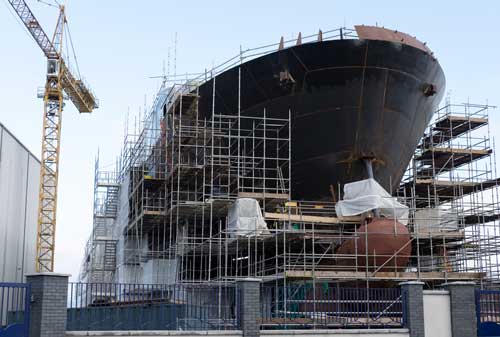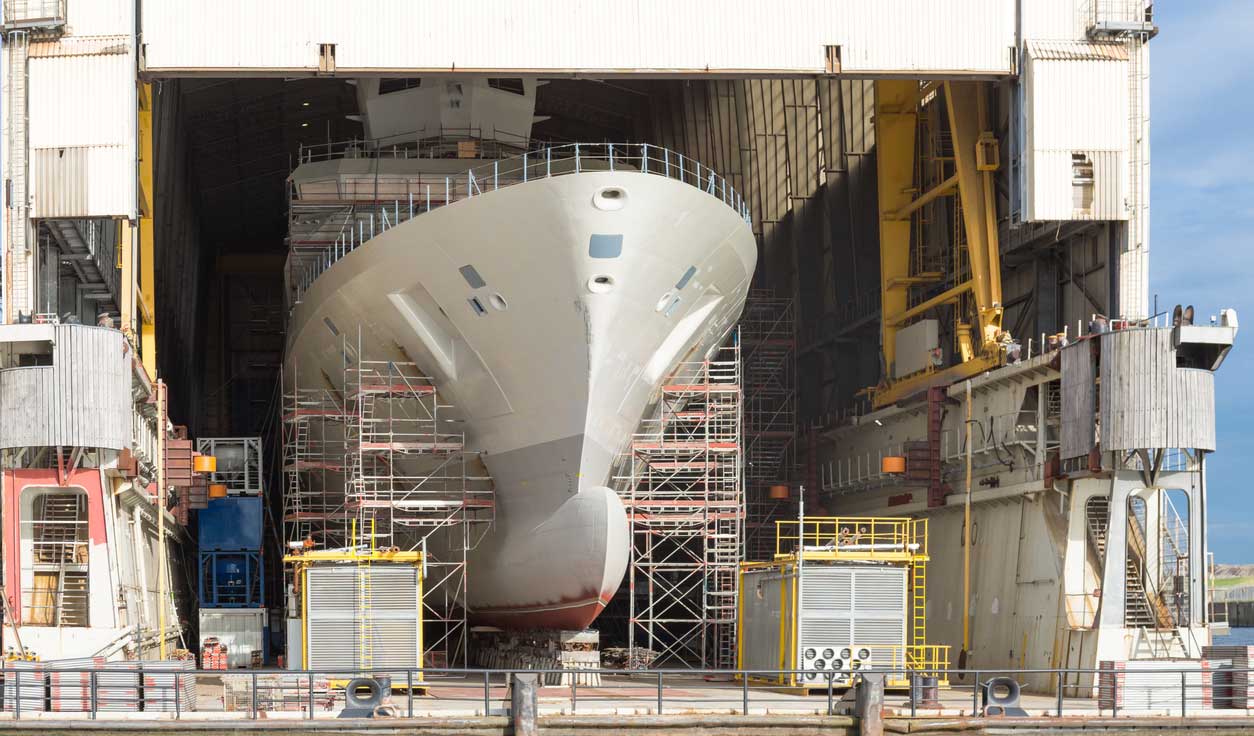
The construction, outfitting and delivery of German yachts are among the most demanding tasks in the entire German shipbuilding industry. If you operate in this sector as a shipyard, supplier or recruitment agency, you will know that this is where engineering, design, craftsmanship and the highest quality standards come together as nowhere else. That is precisely why the Yacht building in Germany Skilled workers who are not only technically proficient but can also work with precision under time pressure – from design and commissioning right through to the meticulous handover to the owner. This article outlines the key tasks and specialist areas in German yacht building and explains how you can meet the growing demand for skilled workers through Temporary staffing and Employee leasing cover in a predictable manner.

Table of contents
- Why is yacht building such a demanding sector of the German shipbuilding industry?
- What new challenges do sustainable propulsion systems pose for shipyards and skilled workers?
- What role do maintenance, refits and conversions play in the life cycle of a yacht?
- Which yacht segments dominate the German market – from mass-produced yachts to Lürssen superyachts?
- What are the technical features that set German sailing yachts apart?
- What demands do motor yachts and superyachts place on German shipyards?
- Which disciplines and specialists work together on a superyacht?
- What is the process for the construction, commissioning and handover of a superyacht?
- How does temporary work help meet the demand for skilled workers in the German yacht-building industry?
- Conclusion
- FAQ
Estimated reading time: 12 minutes
Why is yacht building such a demanding sector of the German shipbuilding industry?
Yacht building is a specialised branch of shipbuilding in Germany. Clients commission their dream yacht and, as such, expect technically sophisticated, aesthetically pleasing and meticulously crafted designs.
In no other area of shipbuilding do engineering, design, luxury and craftsmanship come together to meet such high standards as in German yacht shipyards. This is evident time and again at the handover of yachts, particularly superyachts. A comprehensive handover takes place, during which even the smallest scratch is noted and documented. Such a defect may result in rectifications, a replacement or a price reduction.
In contrast, in other areas of shipbuilding the focus tends to be on functionality and efficiency. These factors also play a role in yacht building, but are further complemented by other requirements relating to individuality, comfort, safety and perfection down to the very last detail.
The shipbuilding industry in Germany is well equipped to meet this challenge. German shipyards excel in all aspects of yacht technology, whether in the construction, commissioning or handover of yachts to their owners. Shipyard staff provide continuous support for the project, both on board and on site, ensuring that all project requirements are met. For shipyards, this means they need the right specialist in the right place at every stage of the project – often at short notice and on a project-specific basis, which necessitates the targeted deployment of Temporary staffing that makes it so valuable in this segment.
What new challenges do sustainable propulsion systems pose for shipyards and skilled workers?
In addition to these traditional requirements, there are now new demands: nowadays, yachts must increasingly be fitted with sustainable propulsion systems. They must be fitted with highly complex systems for energy supply and exhaust and waste water treatment. As owners wish to sail their yachts around the world, the vessels must comply with the relevant environmental and safety regulations wherever they are.
This development is also noticeably changing the profile of the skilled workers sought after. Alongside traditional shipbuilders and design engineers, there is a growing demand for electronics engineers specialising in energy technology, automation specialists and engineers with experience in battery and hybrid propulsion systems. Shipyards that are unable or unwilling to maintain these skills in-house on a permanent basis are increasingly meeting this demand through qualified temporary staff or contractors.
What role do maintenance, refits and conversions play in the life cycle of a yacht?
Other key areas of yacht building in Germany include maintenance, refits and conversions. Even as their yachts age, owners continue to expect the comfort and technology of a modern vessel. Consequently, they return to the shipyard time and again to have the latest instruments and fittings installed. Owners also use this opportunity to learn from their experiences and adapt their yachts to their new preferences. This may involve adding extra guest cabins or converting existing cabins into a home cinema or a gym. It always depends on the wishes of the individual owner.
Refit projects often have tight deadlines, as the yacht must be returned to the water within a fixed timeframe. It is precisely during these phases that there is a particular need for short-term, flexible reinforcement of the team with experienced specialists from the temporary employment sector.
Which yacht segments dominate the German market – from mass-produced yachts to Lürssen superyachts?
Germany is renowned in three areas of yachting: production yachts, semi-custom yachts and custom yachts. German production yachts are best known in the sailing yacht sector. Hanse and Bavaria, in particular, enjoy an international reputation. In the semi-custom and custom yacht sectors, it is primarily the Lürssen shipyard that is known worldwide.
The German yachting industry is therefore represented in all key segments. In the smaller boat category – that is, boats less than 25 metres in length – sailing yachts dominate. These consist of monohulls and so-called deck saloon boats. What they have in common is that they have only one hull and are powered by sails. However, classic sailing yachts have a living area deep within the hull, whilst deck saloon boats feature a raised saloon, which provides better views and more light, as well as greater interior space.
Well-known Lürssen yachts, on the other hand, are generally one-off builds. These include the „Azzam“, which, at 180.6 metres, is the world’s longest private yacht. Then there is the ‚Dilbar‘, one of the world’s largest yachts in terms of volume. Another very well-known yacht is the „Flying Fox“, which is 136 metres long.
| Segment | Examples of shipyards/brands | Typical profile |
|---|---|---|
| Production yachts (sailing) | Hanse, Bavaria | Mass production, standardised processes |
| Semi-custom yachts | Various German shipyards | Partial customisation, medium batch sizes |
| Bespoke superyachts | Lürssen | Made to order, 2–5 years’ construction time |
What are the technical features that set German sailing yachts apart?
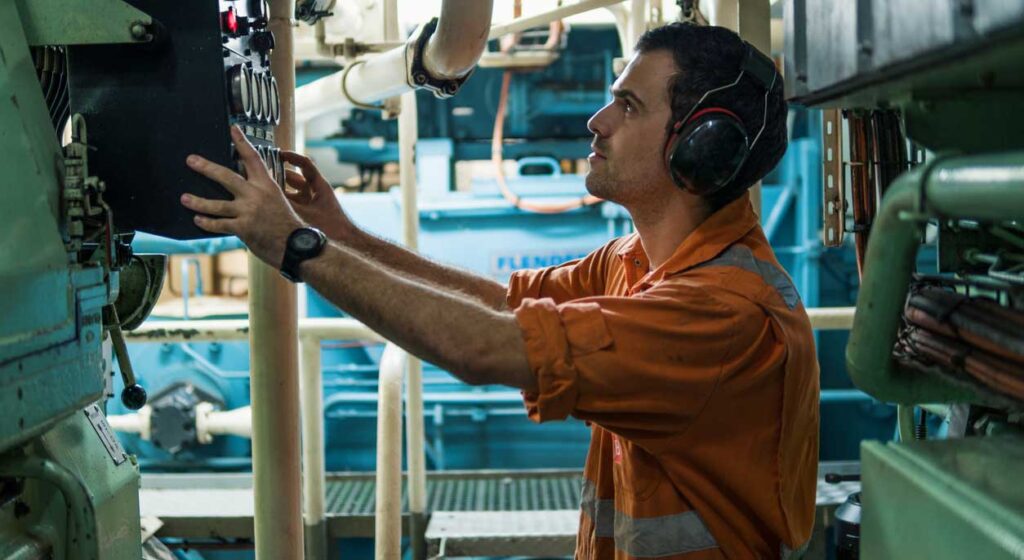
German sailing yachts are characterised by their excellent seaworthiness, innovation and precision. As a result, they are often fitted with specialised propulsion systems these days. These consist, for example, of electric motors used as auxiliary propulsion for leaving the harbour or for orienting the boat for sailing. When sailing, these same electric motors then function as generators, with the propeller turning in the flow of the water to supply the boat with electricity.
What demands do motor yachts and superyachts place on German shipyards?
Although German motor yacht production also encompasses the semi-custom segment, it is predominantly focused on the custom superyacht sector. In this sector, the names of German shipyards are synonymous with quality.
The construction of a superyacht involves numerous requirements. One of the most important of these is that the vessel actually performs as advertised. This becomes all the more important when the owners are paying a hefty sum for it. They entertain guests and often sail far from the coast; with explorer yachts in particular, they may also venture into areas where the waters can be stormy or very cold. Nobody wants to lose propulsion whilst navigating amongst drifting icebergs, or lose face in front of their guests if the heating fails.
German shipyards are renowned for producing reliable equipment, systems and machinery that continue to function effectively even under demanding conditions. They do not fail and perform their duties faithfully and reliably. This is what shipowners want to be able to rely on, and that is why they place their orders in Germany.
Which disciplines and specialists work together on a superyacht?
To meet these high standards, specialists from a range of disciplines work closely together. They come from the fields of ship design, shipbuilding, hydrodynamics and fluid mechanics, equipment engineering and interior fit-out. They all collaborate to create a multi-deck superyacht of the highest calibre. This includes, for example, cinemas, fitness areas, whirlpools and separate cabins for guests and crew. In addition, numerous individual requests from the owners can be accommodated. The facilities may even include helipads and submersibles.
Custom superyachts are built exclusively to order, and completion takes between two and five years. Specialists from various trades work closely together throughout the process, whilst a number of companies oversee the work.
- Ship Design and Shipbuilding
- Hydrodynamics and Fluid Mechanics
- Equipment technology (energy, drive systems, exhaust and waste water systems)
- Interior Fitting and Joinery
- Electronics and Automation Technology
- Commissioning and Testing Technology
Each of these trades requires its own specialist knowledge. As the scope of projects and construction phases vary considerably, many shipyards and suppliers specifically rely on external specialists from the Temporary staffing or on Subcontractors in a contract for work and materials, in order to cope with peaks in workload without permanently expanding the permanent workforce.
What is the process for the construction, commissioning and handover of a superyacht?
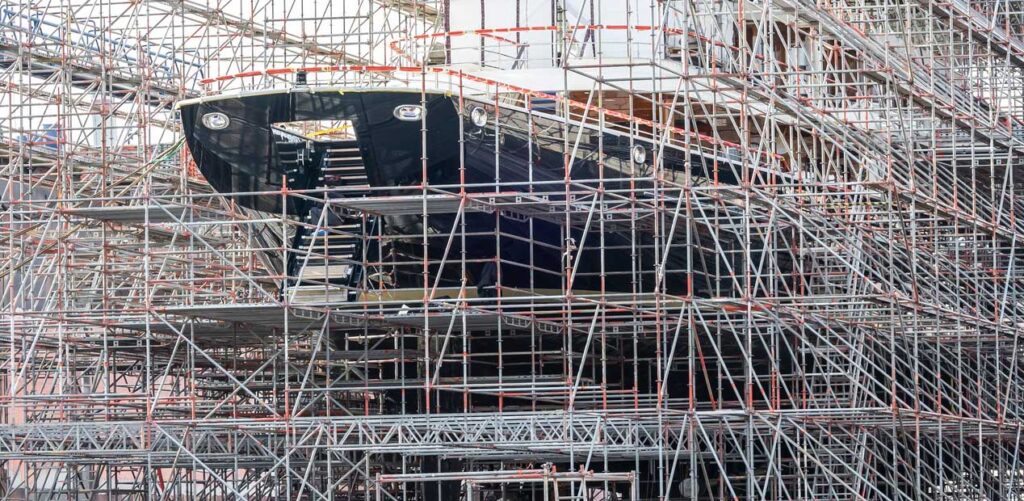
During the construction phase, the specialists work mainly on the shipyard site. As the ship nears completion, their work increasingly shifts to on board. A large number of specialists can be found here, particularly during the system commissioning phase. They test the systems, check the interfaces and prepare for handover to the clients. This is the crucial phase in terms of ensuring quality and the satisfaction of the future owners.
It is precisely during this final phase that staffing requirements rise sharply at short notice: electronics technicians, commissioning engineers and quality inspectors are needed to work on several systems simultaneously. Shipyards that call on the services of an experienced recruitment agency in this regard ensure planning certainty without having to make permanent adjustments to their own staffing structure.
How does temporary work help meet the demand for skilled workers in the German yacht-building industry?
The demand for skilled workers in the German yacht-building industry is highly specialised and, at the same time, varies depending on the project phase. This is precisely where Temporary agency work under the Temporary Agency Work Act (AÜG) To: Shipyards and suppliers are provided with qualified specialists – such as shipbuilding engineers, electronics technicians specialising in energy technology, pipe fitters or commissioning technicians – for the duration of a project, without having to take them on permanently. This provides the shipyard with flexibility during peaks in orders and offers the skilled worker a clearly regulated assignment subject to social security contributions.
In addition to traditional temporary work, the following are often suitable for specific trades, such as interior fit-out or specialist fitting work: Subcontractors in a contract for work and materials. Which model is appropriate depends on the specific project, the extent to which the employee is bound by instructions, and the duration of the assignment – this classification should always be carried out in a legally compliant manner.
- Short-term support during the design and commissioning phases
- Access to specialist professionals from other European countries
- Legally compliant processing in accordance with the German Temporary Employment Act (AÜG), taking into account the principle of equal treatment and the relevant collective agreement provisions
- Predictable handover dates thanks to flexible staffing levels
Please note: The supply of temporary workers in the shipbuilding industry is subject to the provisions of the Temporary Employment Act (AÜG), including the maximum duration of temporary employment and the principle of equal pay. You can read more about this in our article on Temporary Employment Act (AÜG)..
Conclusion
Yacht building in Germany combines engineering, craftsmanship and the highest quality standards like no other sector of shipbuilding. From the initial design through to sustainable propulsion systems and the meticulous handover of the finished yacht, every phase of the project requires specialised skilled workers – often at short notice and in varying numbers. This flexibility is made possible by the Temporary staffing and – provided the legal requirements are met – the use of contracts for work: Shipyards are provided with qualified staff exactly when they need them, in a legally compliant and predictable manner.
How does Zeitarbeit International help meet the demand for skilled workers in the German yacht-building industry?
Zeitarbeit International provides qualified specialists from Eastern Europe for shipyards, suppliers and outfitting companies in the German yacht-building industry – ranging from engineers and electronics technicians to commissioning technicians. We ensure legally compliant processing in accordance with the German Temporary Employment Act (AÜG), check compliance with collective agreement and equal pay requirements, and provide suitable skilled workers on a project-by-project basis.
FAQ
Which skilled workers are most frequently sought after in the German yacht-building industry through temporary employment agencies?
There is particular demand for naval architects, electronics technicians specialising in energy technology, pipe fitters, mechanics and commissioning engineers – especially during the design and testing phases.
What distinguishes custom superyachts from production yachts?
Custom superyachts are built to order as one-off vessels and take between two and five years to construct, whilst production yachts, such as those from Hanse or Bavaria, are mass-produced.
Why is handing over a yacht such a labour-intensive process?
During handover, particularly in the case of superyachts, every detail is checked – right down to the tiniest scratch. Defects lead to rectification, replacement or price reductions, which is why comprehensive quality assurance is crucial.
How are sustainable propulsion systems changing staffing requirements?
Yachts require increasingly complex energy, exhaust and waste water systems. This is driving up demand for electronics technicians, automation specialists and engineers with experience in hybrid and battery technology.
Is temporary work or a contract for services more suitable for yacht building?
That depends on the circumstances: if employees are integrated into the shipyard’s organisational structure and are subject to its instructions, this would suggest that they are being supplied under the Temporary Employment Act (AÜG). Where, on the other hand, a clearly defined service is provided on the contractor’s own responsibility, a contract for services may be applicable.
What role does the maximum duration of secondment play in shipyard assignments?
In yacht building, too, the maximum assignment period of 18 months with the same hirer, as laid down in the German Temporary Employment Act (AÜG), generally applies, unless a different maximum assignment period applies under a collective agreement for the relevant sector or a company or service agreement based on such a collective agreement.
Why is the commissioning phase particularly labour-intensive?
During this phase, systems are tested, interfaces are checked and preparations are made for handover. Several specialists are working on board simultaneously, which significantly increases the short-term staffing requirements.
How quickly can Zeitarbeit International provide skilled workers for a shipyard project?
The time taken to find suitable candidates depends on the profile required and their availability. Please contact us well in advance so that we can find the right skilled workers in time for the planned construction phase.
Useful information