
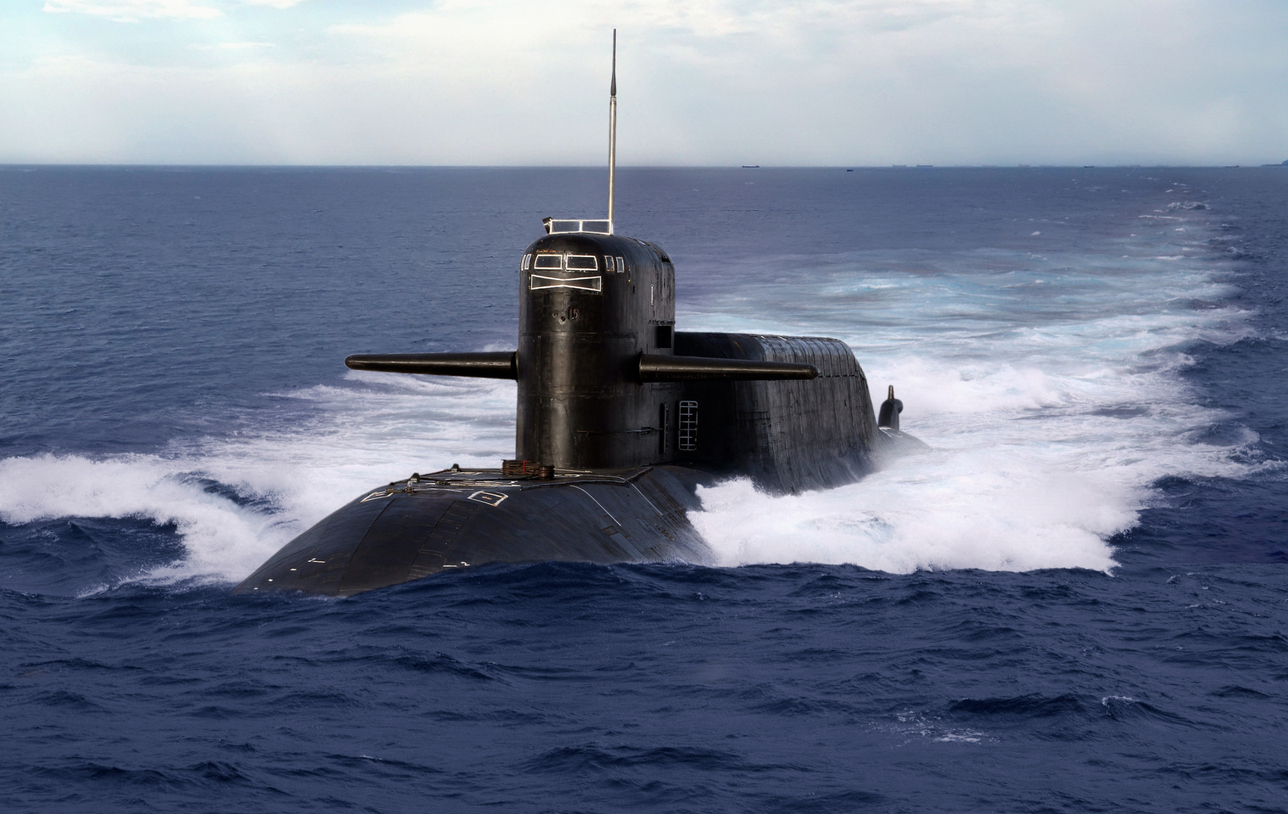
No other weapon system in modern naval warfare is as elusive - both literally and figuratively - as the submarine. It operates unseen, appears where no enemy expects it and disappears again before countermeasures can take effect. Since the world wars, it has evolved from a tactical trade warrior to a strategic all-rounder.
Table of contents
- Why are submarines indispensable?
- What do the design and materials look like?
- What about hull shape and manoeuvrability?
- What do the various sensors on the submarine do?
- What weapons does a submarine have?
- How does the submarine protect itself against aeroplanes and helicopters?
- FAQ about submarines
- Conclusion: The continuing importance of submarines
- Further topics
Estimated reading time: 8 minutes
Why are submarines indispensable?
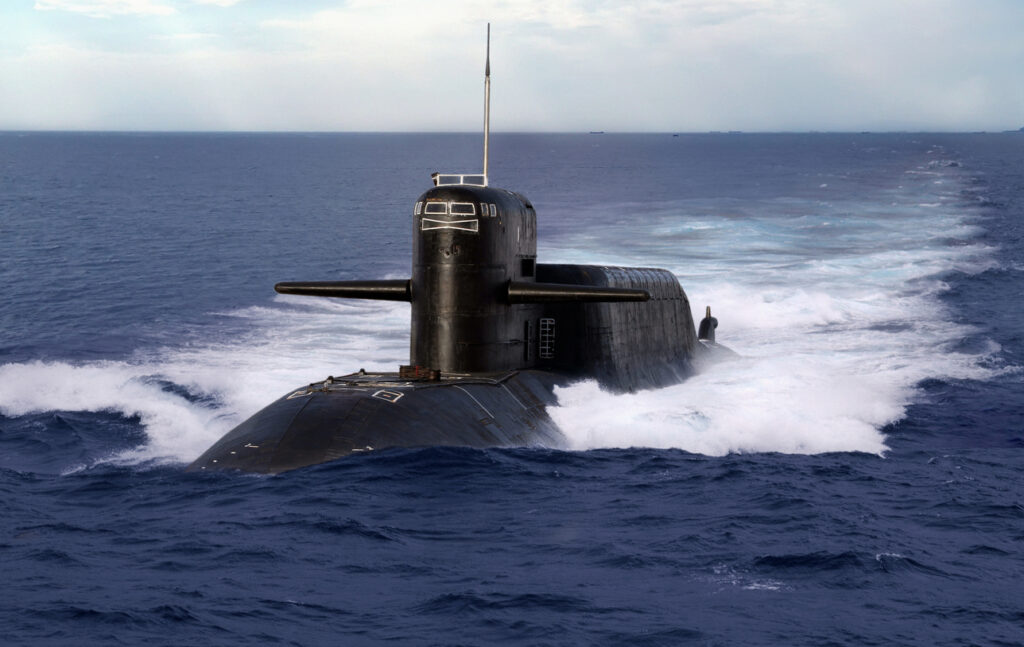
Submarines can penetrate areas denied to other naval forces - even when the enemy's air force dominates the skies and incapacitates surface units. Their tasks range from coastal reconnaissance and the disruption of enemy supply lines to the destruction of entire naval formations.
German submarines demonstrated this strength impressively back in the First and Second World Wars: while the surface fleet could barely leave harbour, submarines operated deep in the Atlantic, tying down huge enemy forces. Since then, technology has developed to such an extent that these capabilities have taken on new dimensions.
Core strengths of the submarine: Difficult to locate, long range, operates independently of air superiority, can combine reconnaissance and covert combat.
What do the design and materials look like?
A submarine operates in a physically extreme environment. The water pressure at depth affects every square centimetre of the hull - and can simply crush it without suitable materials. Manufacturers therefore use special shipbuilding steels and even titanium in some cases. These materials fulfil two functions at the same time: they resist the external pressure and allow controlled elastic deformation of the hull so that the boat does not permanently deform under changing pressure conditions.
Acoustic damping measures are also used: Special coatings and vibration-damped bearings on the drive units reduce the radiated noise that could be picked up by enemy sonar.
What about hull shape and manoeuvrability?
The shape of modern submarines has changed fundamentally since the Second World War. Back then, the boats spent most of their time on the surface - the hull shape was optimised for surface travel and additional cannons were used to combat merchant ships and for air defence.
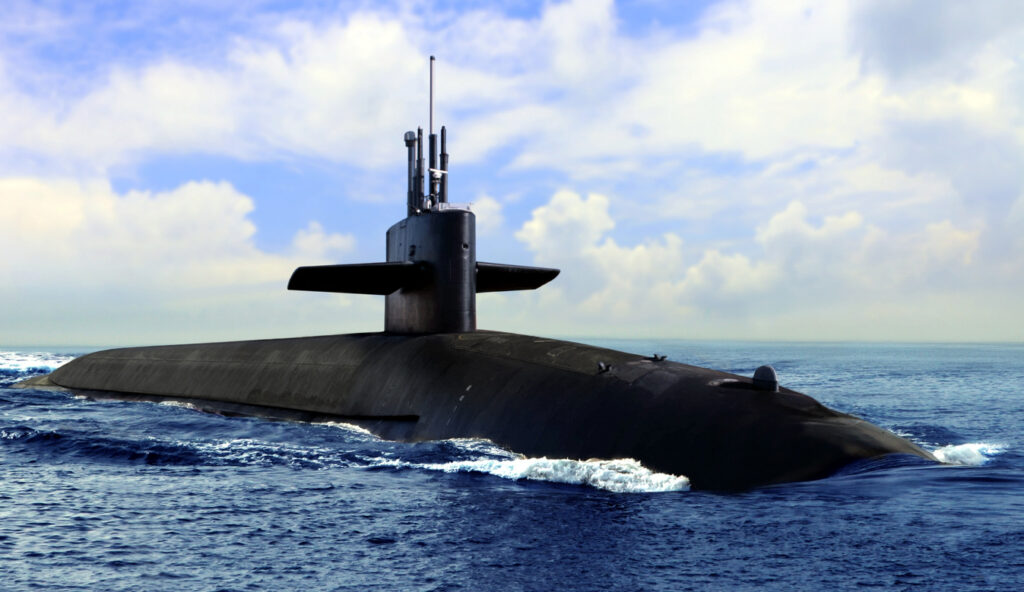
Today, submarines spend practically all of their operating time under water. The hull is designed accordingly to minimise underwater resistance: teardrop-shaped, smooth, without protruding superstructures. Cannons have disappeared - their tasks have been taken over by modern weapons, which are described below.
| Component | Function |
|---|---|
| Pressure body | Supports crew and systems; withstands low pressure |
| Tower (Sail) | Bridge for surface navigation; carrier for masts and sensors |
| Tail rudder (X- or cross-shaped) | Four rudders for precise steering in all directions |
| Depth rudder (bow or tower) | Stabilisation of the diving depth |
| Dipping agent cells | Regulation of buoyancy and descent |
What do the various sensors on the submarine do?
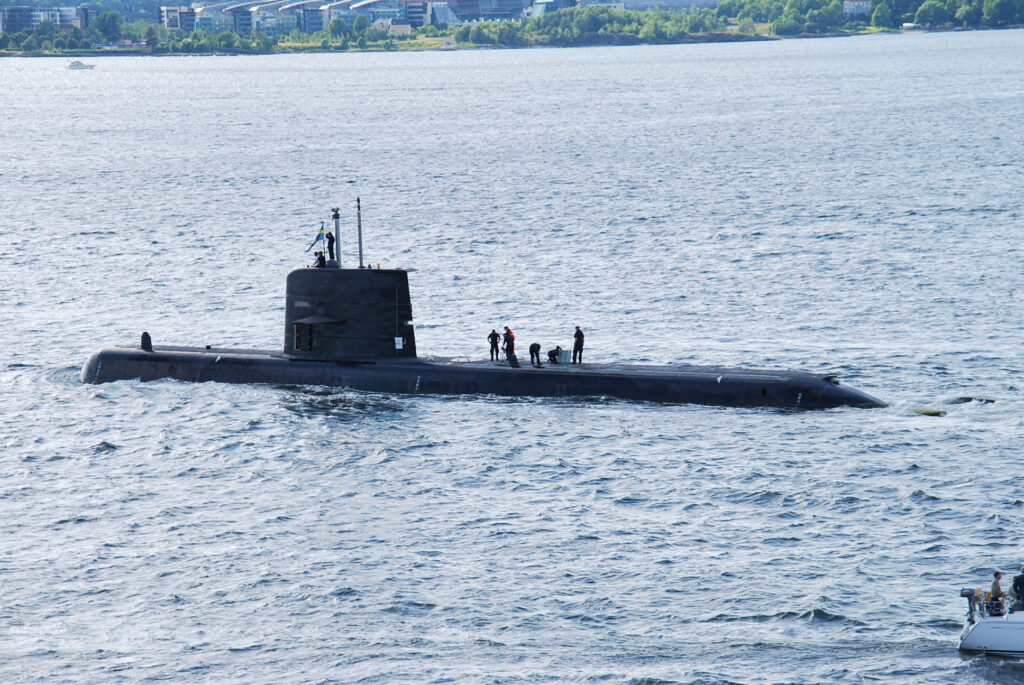
The submarine's sensory organs are diverse and designed to operate under water. Sound is the most important medium under water - light and radar fail here. Sonar is therefore the central sensor system.
Hull and bow sonar
The primary sonar systems are located in the bow and on the flanks of the hull. In passive mode, they listen silently for the sounds of other ships. In active mode, they emit a signal that is reflected by objects and reveals their position - but at the expense of their own stealth.
Towed sonar
A familiar problem: the boat's own propulsion noise interferes with the hull sonar. The solution is towed sonar - a second sonar system that is towed behind the boat on long cables. During the dive, the submarines uncoil the cables; at a sufficient distance from their own propulsion, the towed sonar provides far more precise passive localisation data.
Tower masts: periscope, radar and reconnaissance
The tower carries the masts, which are extended at periscope depth:
- Periscope: Today, it is no longer just an optical tube, but a carrier for cameras and thermal imaging sensors that transmit the image directly to the control centre
- Radar: Detects air and sea targets on the surface - identical to the function on surface vessels
- Reconnaissance receiver: The periscope and radar mast also carry passive sensors that detect enemy radar and radio signals without becoming active themselves
What weapons does a submarine have?
The modern submarine is much more than a torpedo carrier. Today, its armoury covers targets under water, on the surface and on land.
Torpedoes
The classic torpedo no longer runs blindly in a straight line. It can be controlled by wire from the boat and has its own active and passive sensors. It recognises enemy ships and submarines directly or follows their wake - the turbulence of the screws - and destroys the target from behind.
Rockets
Submarines carry different types of missiles:
- Anti-ship missiles: Detect surface targets using radar or other sensors and destroy them.
- Missiles against submarines: Carry a torpedo as payload, which is dropped in the vicinity of the enemy submarine and independently targets it.
- Cruise missiles: Long-range weapons for engaging land targets thousands of kilometres away.
- Ballistic missiles: In strategic submarines (SSBNs), they carry nuclear warheads with a range of over 10,000 kilometres.
Interfering agent
Submarines use active and passive countermeasures against enemy torpedoes and sensors. Electronic jammers confuse enemy sensor systems. Chemical agents create vortex zones in the water that do not allow sound to pass through and thus provide acoustic cover.
How does the submarine protect itself against aeroplanes and helicopters?
Aircraft and helicopters pose one of the greatest threats to submarines - they drop sonar buoys, deploy diving sonars and can drop torpedoes from the air. Modern submarines are prepared for this.
The sonar recognises the impact of the sonar buoys. The rotors of a helicopter can be detected acoustically. At periscope depth, optical sensors, infrared systems or the radar detect the threat - and then the boat reacts.
Two systems are widely used for this:
- Own rocket mast: Some submarines carry a dedicated mast for short-range air defence missiles, which is deployed at periscope depth
- Torpedo tube container: Others launch air defence missiles from containers that are inserted into torpedo tubes. One container holds up to three missiles. Once triggered, the missiles break through the water surface with a gas charge and are aimed at the target by wire
Submarines are therefore not defenceless against aircraft and helicopters - modern self-protection systems enable them to react actively without completely giving up the camouflage effect of depth.
FAQ about submarines
Why are submarines so difficult to locate?
They operate under water, where radar does not work. Their sound is minimised by special damping measures. Passive localisation by sonar is complex and requires proximity - which makes the searching ship itself vulnerable.
What is the difference between active and passive sonar?
Passive sonar listens silently for the sounds of other ships and does not give away its own position. Active sonar transmits a signal and receives the echo - more precise, but also audible to the enemy.
What weapons does a modern submarine carry?
Torpedoes, anti-ship missiles, missiles against submarines, cruise missiles against land targets and - in the case of strategic submarines - ballistic missiles with nuclear warheads.
How do submarines protect themselves from helicopters?
Acoustic detection of the rotors and sonar buoys, optical and infrared sensors at periscope depth and short-range air defence missiles, which are launched either from their own mast or from torpedo tubes.
What is a towed sonar?
A sonar system towed on long cables behind the submarine. As it is far away from its own propulsion system, it can pick up sounds from other ships without interference from its own engines.
What materials are used in submarine construction?
Special high-strength steels and in parts titanium. They withstand the water pressure at depth and at the same time allow elastic deformation of the hull under changing pressure conditions.
Conclusion: The continuing importance of submarines
Even today, submarines are a central element of maritime power projection. Their ability to operate covertly and deploy highly effective weapons gives them a special status within modern armed forces.
As technological development progresses, submarines will continue to gain in performance. Quieter systems, improved sensor technology and greater networking ensure that they will continue to play a decisive role in national and international security policy in the future.
Further topics
The following articles delve deeper into related topics concerning military shipbuilding, industrial processes and the influence of modern naval technology on the economy and labour market.