
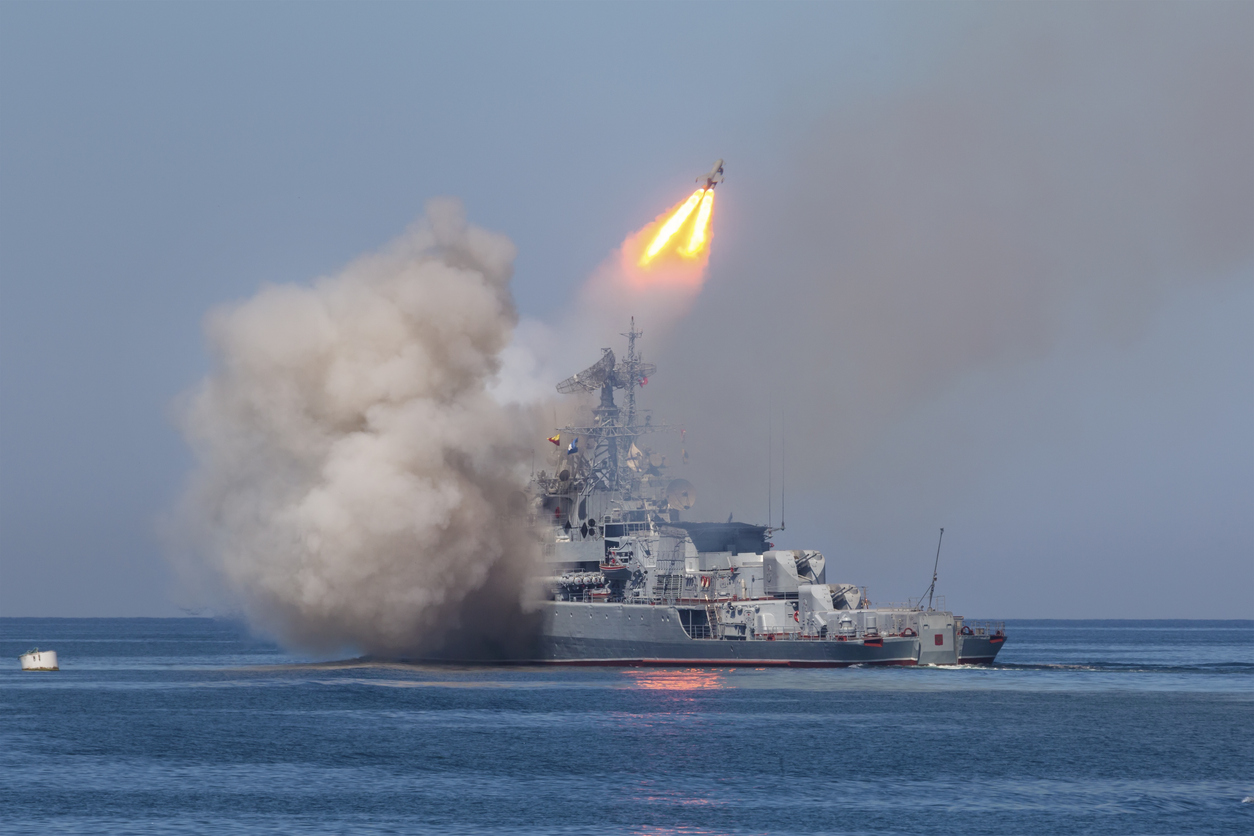
Frigates and corvettes are among the most economically significant ship classes in military shipbuilding. Not because they are the largest or most expensive units - but because they are the most common. This makes a decisive difference for German shipyards and their suppliers.
Table of contents
Estimated reading time: 7 minutes
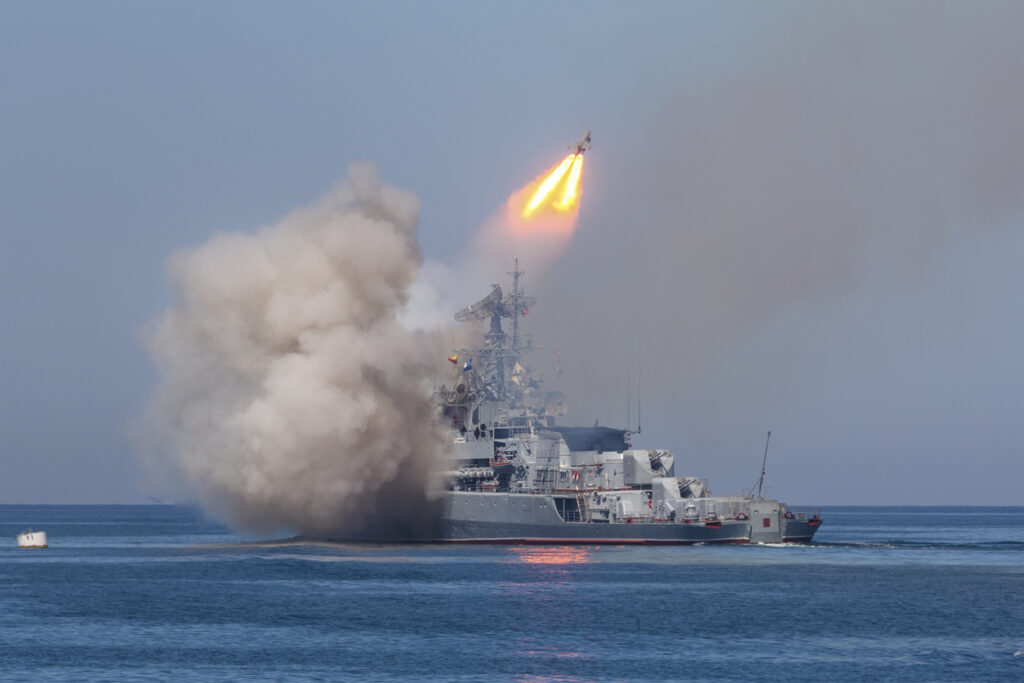
What are frigates?
Frigates are smaller than destroyers - that sounds like an advantage at first. In practice, it is above all a challenge. After all, what can naturally be accommodated on a larger ship must be carefully prioritised on a frigate. Every requirement takes up weight, space and budget.
Many clients see the frigate as a favourable alternative to the destroyer and make a classic planning mistake: they load the smaller ship with so many capabilities that in the end it is effectively a destroyer again, only in a hull that is too small. The task of the shipyards is therefore to take clear countermeasures at an early stage: Which requirements are really necessary? Which ones can be omitted without jeopardising operational capability?
Planning principle: A frigate is not a scaled-down destroyer. It is an independent weapon system with clearly defined capabilities - and this definition must precede the first steel cut.
What is the biggest risk in the frigate construction project?
Even if the client and planner reach an agreement and deliberately forego certain capabilities in order to reduce costs, change requests often follow during development. This phenomenon is known as Mission Creep known: An initially favourable ship with a limited performance profile is gradually loaded with more and more tasks.
Every new requirement has consequences: the ship has to be recalculated, new systems require space and energy, the weight increases and stability has to be reassessed. The costs explode - and in the end, orders are put on hold or cancelled altogether.
Project management for the client is therefore one of the core competences of modern shipyards. It's not just about building a ship. It's about protecting a project against creeping overload - and seeing the client as a partner, not an opponent.
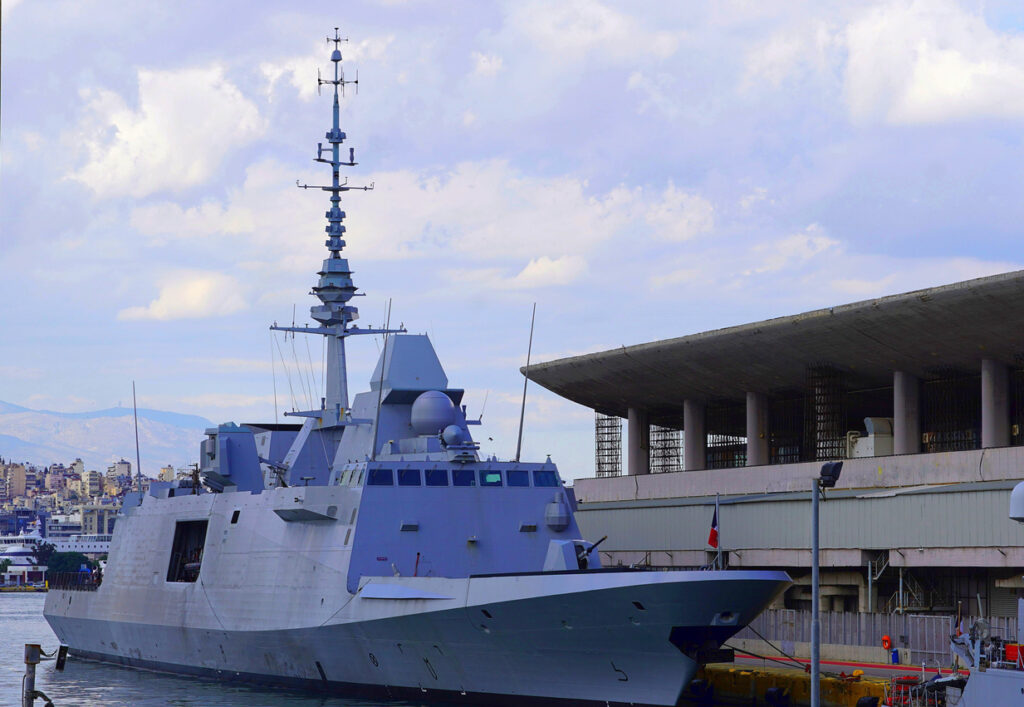
Why are frigates built more often than destroyers today?
Warships are expensive. Even in times of increased defence spending - such as after the start of the war in Ukraine in 2022 - the numbers of modern warships remain far below the public's expectations. Every ship must be politically justifiable and fit into a tight military budget.
The result: frigates are built much more frequently than destroyers. They offer a better cost-capability ratio and can be financed by more navies worldwide. This is a key market for German shipbuilding - not only because of the number of orders, but also because of the industrial depth that this class of ship requires.
| Ship class | Relative number of units | Target group |
|---|---|---|
| Destroyer | Low | Major powers with high defence budgets |
| Frigate | Medium to high | Broad spectrum - NATO partners, emerging economies |
| Corvette | High | Almost all navies worldwide |
What are the underestimated effects of spillover and the second-hand market?
The economic benefits of the frigate construction programme extend far beyond pure contract manufacturing.
Technology spillover into the civil sector
High-performance systems developed for frigates are being used in civilian shipbuilding with a delay. More compact drives, more efficient sensor technology, new materials - what is developed for a warship today will be affordable for frigates tomorrow and standard in the civilian sector the day after tomorrow. The spillover effect is particularly pronounced for frigates because the requirement is: maximum performance at the lowest possible cost.
The second-hand market as a demand signal
Decommissioned frigates from the German Navy are in demand internationally. Countries that cannot afford new builds buy tried and tested used units. This creates a pull effect on initial production: If part of the investment can be refinanced through the subsequent sale of used units, the ship becomes more attractive for the original customer. In addition, there are overhaul and modernisation orders before handover - work that also depends on German shipyards.
Why are corvettes proven gap fillers?
The corvette is not a product of the modern age. Even in the age of sailing ships, it fulfilled a clearly defined auxiliary role: it served as a fast courier between ships and harbours, flew the flag at foreign stations, carried out reconnaissance for the fleet and transmitted signals from the flagship by repeating them with its own flags. She was present in major naval battles, but was not in the actual battle line.
Their decisive advantage, then as now, was their size: small, cheap to build and operate, and able to be manned by a small crew. Several corvettes could be procured and manned with the same budget as one ship of the line. This made them the ideal means of relieving valuable larger ships.
The principle has not changed: Corvettes take on the tasks for which frigates would be too valuable and too expensive - patrol, anti-piracy, coastal surveillance, patrols in remote waters.
This continuity makes the corvette a permanently relevant ship class - not despite its modesty, but because of it.
FAQ on frigates and corvettes
What is the main difference between a frigate and a corvette?
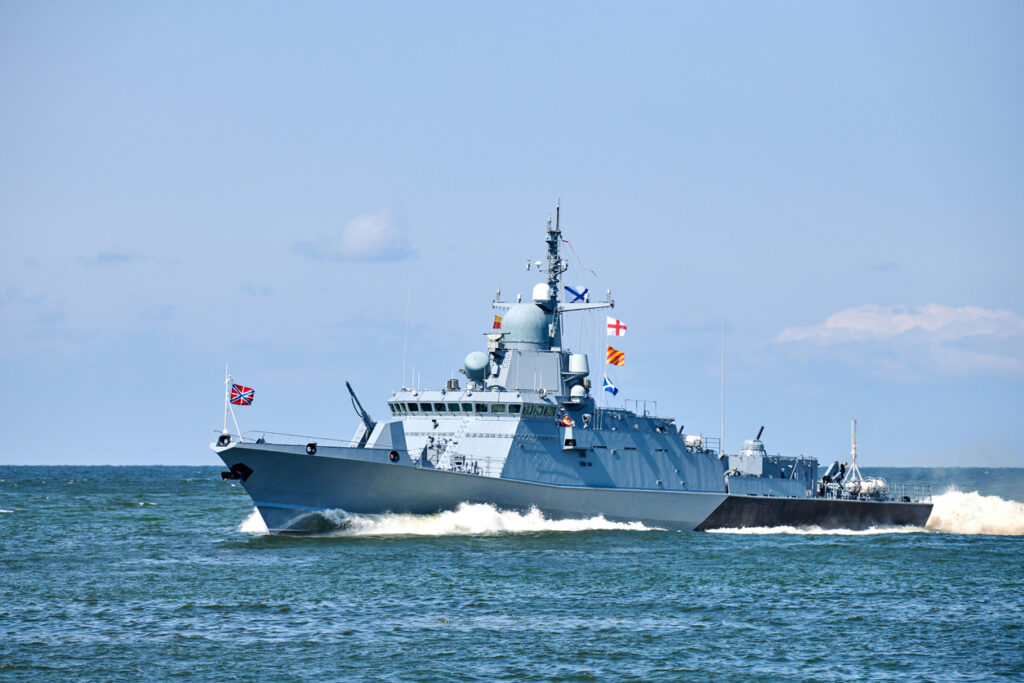
Frigates are larger, more versatile and designed for a wider range of tasks. Corvettes are smaller, cheaper and usually take on clearly defined missions. Both complement each other - corvettes relieve frigates of tasks for which they would be too valuable.
Why are frigates more attractive to many countries than destroyers?
Destroyers are very expensive and can only be realised in small numbers. Frigates offer a better ratio of costs, capabilities and availability - and can be financed by significantly more navies worldwide.
What is mission creep in shipbuilding?
Mission creep refers to the gradual expansion of a ship's requirements during the development phase. Change requests turn an inexpensive gap filler into an expensive special project - with considerable cost increases and delays.
What role do corvettes still play today?
Corvettes serve as gap fillers for patrol, surveillance and presence tasks. They relieve larger battleships for more strategically important missions - just like in the age of sailing ships.
What influence does the frigate market have on German shipbuilding?
It is one of the most important sales markets: frigates are ordered in large numbers worldwide, create jobs along the entire supply chain and drive technological innovations that later also have an impact on civil shipbuilding.
What happens to decommissioned German frigates?
Many are taken over by other countries. Before they are handed over, they have to be overhauled and modernised - orders that in turn benefit German shipyards.
Further topics
The following articles delve deeper into related topics concerning military shipbuilding, industrial processes and the influence of modern naval technology on the economy and labour market.