
Frigates and corvettes are among the most important ship classes in modern navies. They form the backbone of many fleets, as they enable a good balance between costs, capabilities and numbers. At the same time, they present shipyards and clients with major planning and economic challenges, especially when ambitious requirements meet limited space.
Table of contents
Estimated reading time: 5 minutes
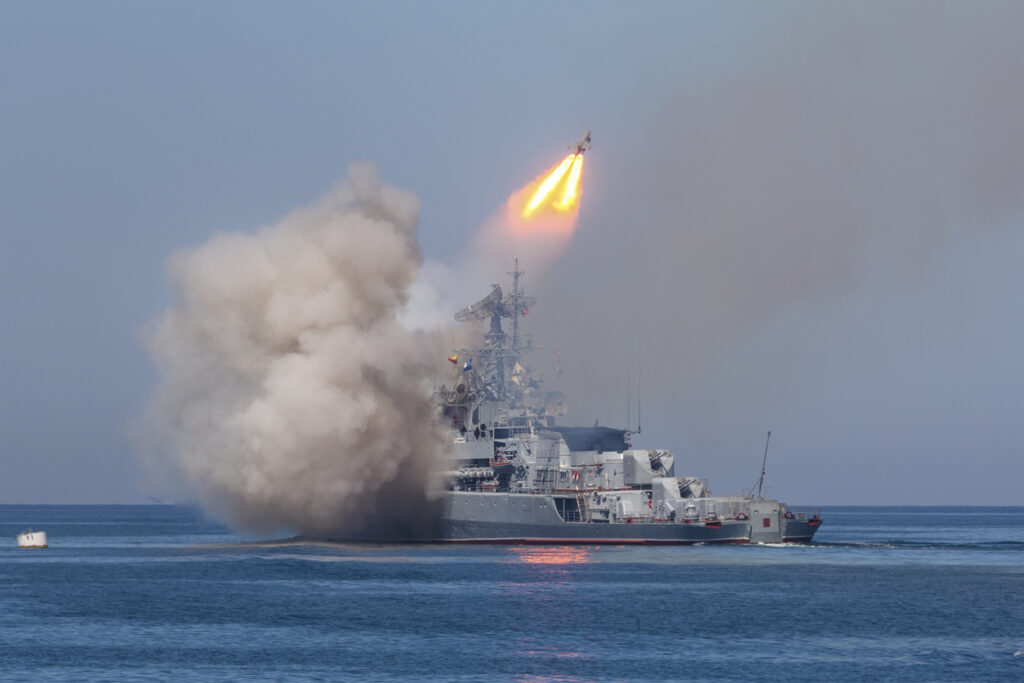
Frigates between claim, costs and reality
Frigates are smaller than destroyers, which already has considerable consequences in the planning phase. The available space, carrying capacity and reserves for later modernisation are limited. Nevertheless, clients tend to view frigates as a supposedly favourable alternative to destroyers and assign them a variety of additional tasks. This creates a tension between ambition and feasibility.
The task of the shipyards is to critically examine extensive catalogues of requirements and prioritise them together with the client. Not every desired capability can be meaningfully integrated into a smaller hull. If this process is not managed consistently, so-called change requests often arise during development. These lead to the ship having to be redesigned, additional systems having to be integrated and weight, energy requirements and complexity increasing.
This creeping expansion of requirements is known as Mission Creep is one of the main reasons for cost increases, delays or even cancellation of programmes. It is one of the main reasons for cost increases, delays or even the cancellation of programmes. For shipbuilding, this means that technical expertise alone is not enough. Strict project and cost management is crucial to ensure that a frigate does not become an overpriced specialised ship that fails to fulfil its original role.
Why frigates are built more often than destroyers today
Even in times of heightened security tensions, the construction of warships remains a cost-intensive endeavour. The numbers of modern combat ships are significantly lower than is often assumed. Destroyers are particularly expensive and therefore only realistic for a few navies. Frigates, on the other hand, offer a better balance between performance and affordability.
For this reason, significantly more frigates than destroyers are being procured worldwide. This segment is particularly relevant for German shipbuilding, as many international customers are investing in precisely this area. At the same time, frigate programmes are driving technological innovation because systems have to be powerful, compact and economical at the same time.
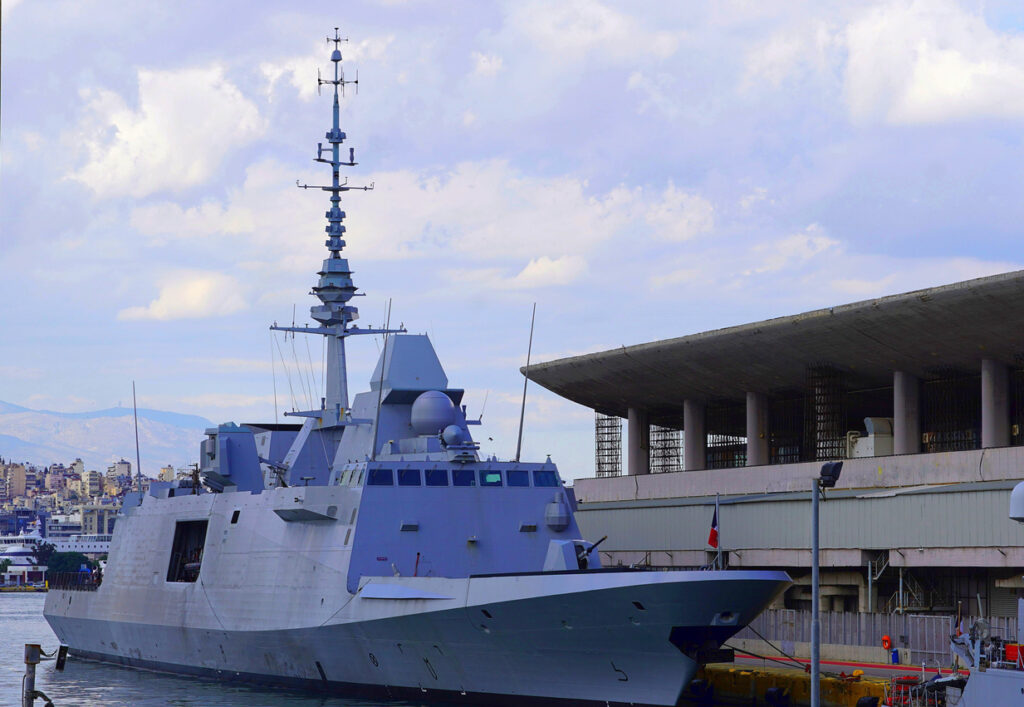
These developments have an impact far beyond the military sector. Technologies that are initially developed for highly complex combat vessels are scaled down and optimised for frigates. In a next step, they are often also used in civilian shipbuilding. This so-called spillover effect makes frigate programmes significant not only in military terms, but also in terms of industrial policy.
An additional factor is the market for used warships. Decommissioned frigates are taken over by some countries, as new builds are often not affordable. Before being handed over, these ships are usually modernised or refurbished, which in turn creates orders for shipyards and suppliers and extends the life cycle of the ships.
Corvettes as a proven gap filler in the past and present
Corvettes fulfil a clearly defined role in modern navies. They are smaller than frigates, have limited combat capabilities and are tailored to specific tasks. However, it is precisely these characteristics that make them valuable. Corvettes enable presence, surveillance and patrols without the need to tie up larger and significantly more expensive ships.
Historically, this role is not new. Corvettes were already serving as courier and reconnaissance units in the days of sailing ships. They flew the flag at distant stations, transmitted signals within the fleet and supported damaged ships. Although they were present in major naval battles, they were rarely in the actual line of battle.
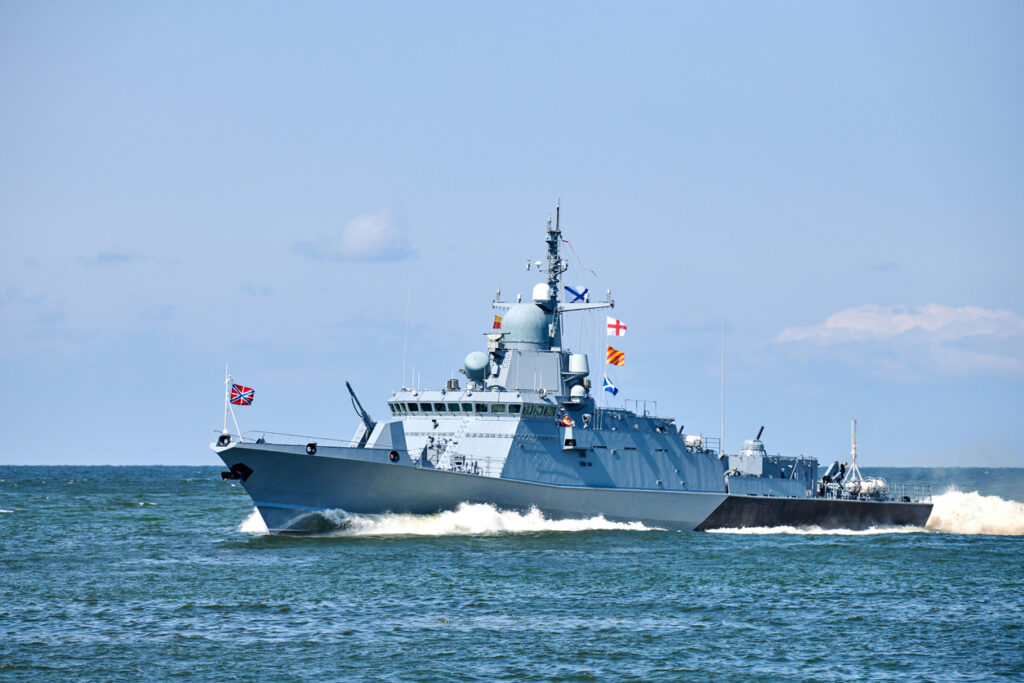
The decisive advantage of the corvette was always its small size. They were cheaper to build, operate and crew. With a fixed budget, several corvettes could be procured and operated, while larger units were spared. This principle still applies today. Corvettes take on tasks that would be economically inefficient for frigates or destroyers, freeing them up for more strategically important missions.
This means that the corvette remains an indispensable element in modern naval warfare. It closes operational gaps, increases the presence in peripheral areas and enables navies to deploy their resources in a targeted manner.
FAQ on frigates and corvettes
What is the main difference between a frigate and a corvette?
Frigates are larger, more versatile and designed for a wider range of tasks. Corvettes are smaller, cheaper and usually take on clearly defined missions.
Why are frigates more attractive to many countries than destroyers?
Destroyers are very expensive and can only be realised in small numbers. Frigates offer a better ratio of cost, capabilities and availability.
What role do corvettes still play today?
Corvettes serve as gap fillers for patrols, surveillance and presence tasks and relieve larger combat ships.
Further topics
The following articles delve deeper into related topics concerning military shipbuilding, industrial processes and the influence of modern naval technology on the economy and labour market.